
How Much Does a Webflow Website Cost in 2026? Honest Project Ranges
See what Webflow website projects cost in 2026, what different budgets buys.
Use AI to summarize this article
Key takeaways
- A professionally built Webflow website can range from under $10,000 for tightly scoped freelance or template work to $50,000 or more for a complex marketing platform.
- Agota Studio’s new website and rebuild engagements generally begin in the $10,000 to $15,000 budget band. Migrations to Webflow start at $15,000.
- Page count alone is a weak basis for a quote. Unique layouts, design readiness, CMS architecture, migration risk, integrations, animation and QA usually matter more.
- Webflow’s Site plan is separate from the professional cost of planning, designing, developing, migrating and testing the website.
- Compare proposals by responsibilities, exclusions, ownership, training and post-launch support before comparing totals.
A professionally built Webflow website can cost from a few thousand dollars for a tightly scoped freelance or template-based build to $50,000 or more for a complex marketing platform. At Agota Studio, new website and rebuild engagements generally begin in the $10,000 to $15,000 budget band. Migrations to Webflow start at $15,000.
The useful question is not only, “How many pages do we need?” It is, “What does our marketing team need to launch, manage and extend after the website goes live?” CMS architecture, reusable components, integrations, migration risk and QA usually affect the quote more than raw page count.
The ranges below are practical planning bands based on project scope and professional judgment. They are not universal market averages or fixed quotes.
Tip: Webflow’s subscription is separate. It pays for the platform and hosting. The project fee covers the planning, design, development, migration, integrations, testing, training and support required to make the website useful.
What different Webflow budgets buy
Budget becomes easier to evaluate when it is connected to responsibility and risk. These bands describe common types of engagement, not guaranteed prices.
Under $10,000
This range is most realistic for a template customization, a small freelance build or a tightly constrained development-only project. The strategy, copy and design should already be complete, and the site should have limited CMS and integration requirements.
A lower-budget project can be the right decision when you are validating an offer, launching a temporary campaign or replacing a simple brochure site. The tradeoff is usually narrower discovery, fewer design decisions, lighter documentation and less room for complex QA or post-launch work.
This is not Agota Studio’s usual fit for a new website engagement. Our process is designed for marketing teams that need a reusable system, direct senior involvement and a foundation they can operate after launch.
$10,000 to $25,000
This is the typical starting territory for a focused custom website or rebuild delivered by a specialist studio. The scope may include:
- A defined set of reusable page layouts and components
- A CMS model for articles, case studies, resources or other repeatable content
- Responsive implementation from complete designs
- Forms, analytics and clearly defined integrations
- Technical SEO implementation and launch QA
- Training, documentation and a structured handover
At Agota Studio, most new website and rebuild conversations begin in this band. The final quote depends on how much strategy, design, content preparation and technical work remains.
$25,000 to $50,000
This band usually reflects a website that operates as a marketing platform rather than a collection of pages. It may involve several CMS collections, complex relationships, filters, custom JavaScript, content migration, localization, multiple integrations or a larger set of unique templates.
The buyer is paying for the visible experience and the system behind it: how the team launches campaigns, updates shared content, manages regional pages and avoids creating technical debt with every change.
$50,000 and above
Larger engagements often combine strategy, research, copy, visual design, development, migration and ongoing improvement. They may involve several markets, departments or approval groups.
A higher price is justified only when the scope and delivery depth require it. A $50,000 proposal for a simple brochure site deserves scrutiny, just as a $5,000 proposal for a complex migration does.
If you are still deciding whether the project is a visual refresh, a platform move or a foundational rebuild, read Rebuild vs Replatform vs Redesign. Defining the right project prevents you from paying to solve the wrong problem.
How Agota Studio prices Webflow work
Agota does not price a website by multiplying a fixed rate by the number of pages. We scope the system your marketing team needs and the delivery risk involved.
Tip: These are starting points, not package prices. A complete Figma file can reduce uncertainty, but it does not remove CMS planning, responsive decisions, testing, integrations or the work required to hand the site over properly.
Freelancer, specialist studio or larger agency?
The right provider depends on the project’s risk and breadth, not only its budget.
A strong freelancer can outperform a weak agency, and a larger team is not automatically safer. Ask who will do the work, which responsibilities are included and what happens when the scope changes.
We will cover this decision in more detail in the forthcoming guide, How to Choose a Webflow Agency: Questions, Costs and Red Flags.
Why two Webflow quotes can be thousands of dollars apart
Two providers can receive the same sitemap and still price different projects. One may assume design and content are complete. Another may include discovery, responsive decisions, content population, integrations, SEO migration, training and post-launch support.
Unique layouts matter more than page count
Ten pages with ten unrelated layouts can take longer than thirty pages built from three reusable templates. A directory with 500 CMS entries does not require 500 separately developed pages, but its collection structure, template, import, filtering and QA still require work.
When requesting a quote, separate the sitemap into unique static layouts, reusable CMS templates, repeated pages and system pages such as search, password and 404 states.
A Figma file can look complete without being development-ready
A development-ready design should show responsive intent, component states, navigation behavior, content extremes, form states and interaction requirements. When those decisions are missing, the developer is also doing design work during implementation. That can be valuable, but it must be visible in the scope.
CMS architecture changes the cost and the life of the website
A basic blog is straightforward. A resource system with authors, categories, industries, related content, gated files and filtered directories requires more planning.
The right model should reflect how the marketing team publishes, relates and reuses content. The cheapest structure to build today is not always the cheapest one to operate next year.
A migration includes work a new build does not
Moving from WordPress, HubSpot or another CMS is not simply copying text. It can require a crawl and content inventory, URL mapping, redirect planning, metadata transfer, content transformation, image and file migration, integration replacement, launch verification and monitoring.
Google’s site-move guidance recommends preparing a URL mapping, configuring redirects and monitoring old and new URLs. It also notes that ranking fluctuation can occur while a significant move is processed. Read Google’s official site-move guidance.
For a realistic view of timing, see how long a WordPress-to-Webflow migration takes.
Animation ranges from polish to a separate technical workstream
Simple transitions and Webflow interactions are usually a modest part of a build. Bespoke scroll sequences, advanced GSAP work, WebGL, complex SVG animation or synchronized interactions can become a project of their own.
Share examples and identify the exact behavior you need. “Premium” and “dynamic” are not enough to scope implementation.
Integrations must be scoped by behavior
A HubSpot integration might mean embedding a form. It might also mean custom styling, field mapping, consent behavior, attribution, progressive profiling, automation and testing several submission paths.
The same applies to analytics, Memberstack, Airtable, Make and custom APIs. Name the data being exchanged, the trigger, the expected result, the failure state and who owns each connected system.
Content population is real project work
Someone must prepare images, format rich text, populate CMS fields, rebuild internal links and verify every item. If content is spread across an old CMS, documents and unfinished designs, the agency needs time to consolidate it.
QA depth is easy to underestimate
A professional process may cover responsive behavior, current browsers, forms, keyboard navigation, visible focus, reduced-motion considerations, CMS edge cases, redirects, metadata, tracking and integrations.
Accessibility should be scoped precisely instead of sold as a vague compliance promise. WCAG 2.2 is a testable standard, but the intended conformance level and testing method still need to be agreed.
Stakeholders and deadlines affect delivery
Five separate feedback streams cost more to manage than one consolidated response. A fixed launch date may require overlapping work, faster review cycles or additional capacity. Agree on the decision-maker, review rounds, feedback format and response time before kickoff.
What should a professional Webflow quote include?
Not every project needs every line below. The important thing is knowing what is included, optional and still your responsibility.
Tip: A development-only quote and a quote covering design decisions, migration, integrations, QA and training are not competing prices for the same deliverable.
Webflow subscription costs are separate
As of Webflow’s May 2026 pricing update, the Basic Site plan is $15 per month when billed yearly or $25 monthly and does not include CMS features. The Premium Site plan is $25 per month yearly or $39 monthly and includes 20,000 CMS items and 40 CMS collections. Workspace plans are separate from Site plans.
Existing accounts transition according to Webflow’s rollout and renewal rules. Check Webflow’s official pricing update before making a final platform budget.
For a fuller explanation of Site plans, Workspaces and recurring platform costs, read Webflow Pricing in 2026.
Fixed project, hourly work or ongoing support?
Fixed-price project
A fixed project works well for a new website, migration or defined rebuild with an agreed sitemap, deliverables and review process. It provides budget certainty, but new requirements usually change the price, deadline or both.
Hourly development
Hourly work suits small improvements, troubleshooting and evolving technical tasks. It provides flexibility, but the final spend is less certain. Priorities and time reporting should remain visible.
Retained capacity or ongoing support
Ongoing support works when the marketing team regularly launches pages, updates positioning, publishes content or needs help with integrations and performance. The agreement should define capacity, response expectations and the work covered.
How to reduce cost without weakening the website
- Finish and approve copy before development where possible
- Use a smaller number of flexible, reusable layouts
- Prepare responsive designs and component states
- Organize content and assets before migration
- Prioritize integrations by business value
- Nominate one decision-maker and consolidate feedback
- Phase optional animation and secondary functionality after launch
The best savings come from removing uncertainty and low-value variation, not from skipping the foundation the marketing team will depend on.
When the cheaper option is the right choice
A template or smaller freelance engagement may be better when the site is temporary, the offer is still being validated, the content model is simple and the team can accept limited customization and support.
Webflow may also be the wrong platform for a highly dynamic product interface or a complex web application that belongs in another stack.
Agota is unlikely to be the right fit when the only goal is the lowest upfront price. Our work makes sense when the website needs to be built carefully, handed over properly and extended by a marketing team over time.
What these cost drivers look like in real projects
Groundswell: the visible pages were only part of the work
Groundswell had hundreds of pages, duplicated content and a structure that had become difficult to operate. The goal was to rebuild the existing Webflow site into a clearer system for its marketing team.
The work included reorganizing pages, creating reusable components and templates, introducing a case-study CMS, centralizing logos and badges, rebuilding navigation and recording training videos. The marketing team now publishes most pages without developer involvement.
GroundswellHow to prepare for an accurate quote
- Your current website and the reason it no longer works for the team
- A draft sitemap with known page types
- Available brand, copy and Figma files
- CMS content types and approximate item counts
- Required forms, CRM, analytics and other integrations
- Migration, redirect and localization requirements
- Launch date, stakeholders and approval process
- The budget band you are prepared to invest
You do not need a technical specification before contacting a specialist. This information simply makes the first estimate more useful and exposes assumptions early.
Talk through your Webflow project with Stefan
Share your current website, Figma file or planned scope. We will discuss what your marketing team needs, the likely investment and whether Agota Studio is the right partner.
Book a call with Stefan about your Webflow project.
Frequently asked questions

Stefan Velikov is the founder of Agota Studio, a Webflow Premium Partner. He has helped 30+ teams across SaaS, fintech and B2B build Webflow sites their marketing teams can run and scale.
Let’s talk about what your website needs
Book a call with Stefan to talk through your project, explore what your website needs, and see how Agota Studio can help.
Custom Webflow sites we built to scale with the marketing team
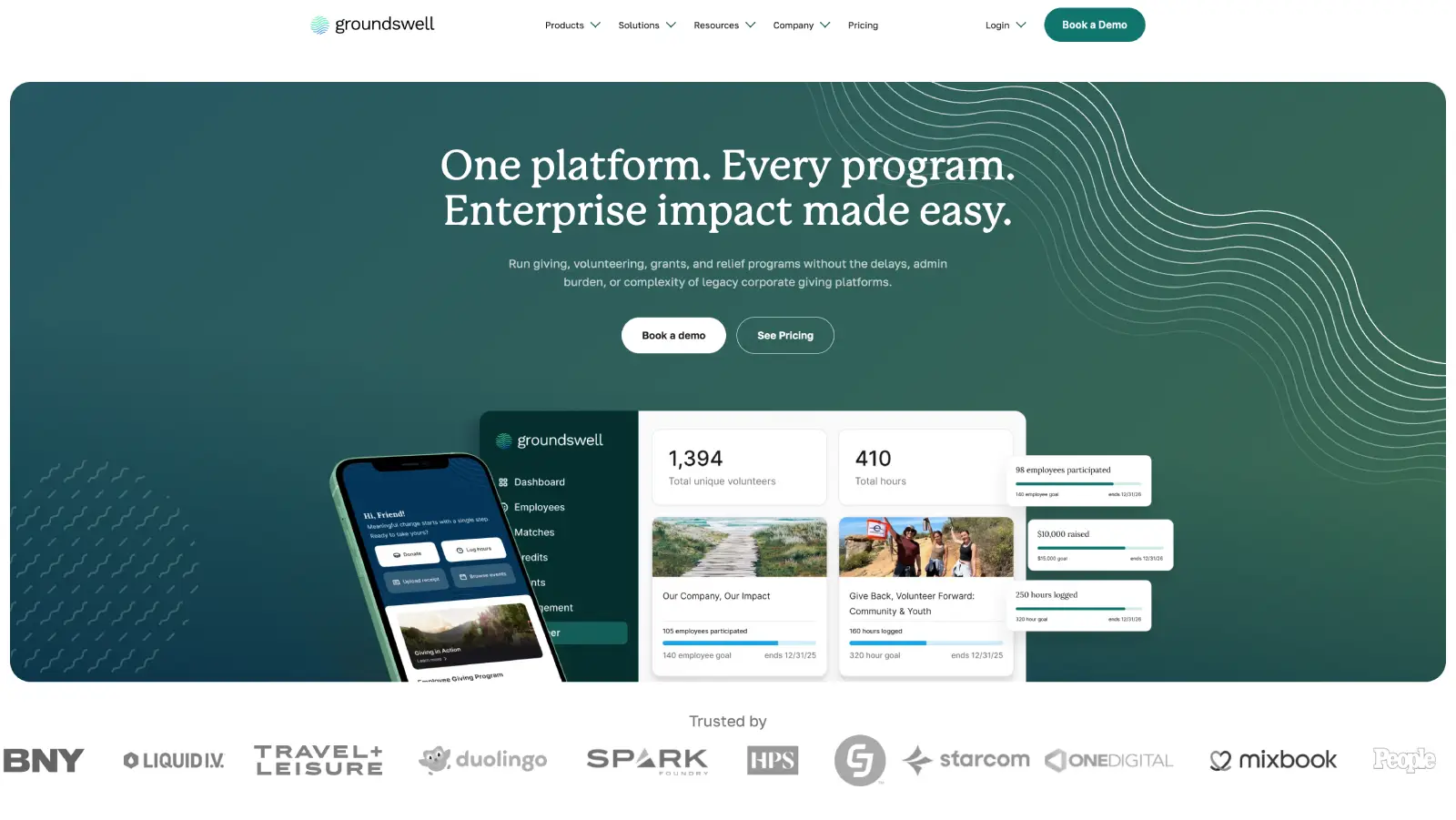
Groundswell: A rebuild the marketing team runs solo
What we achieved:
Marketing team now publishes 90% of pages without developer involvement.
Modular component library that scales as new campaigns launch.
Ongoing Webflow partnership.
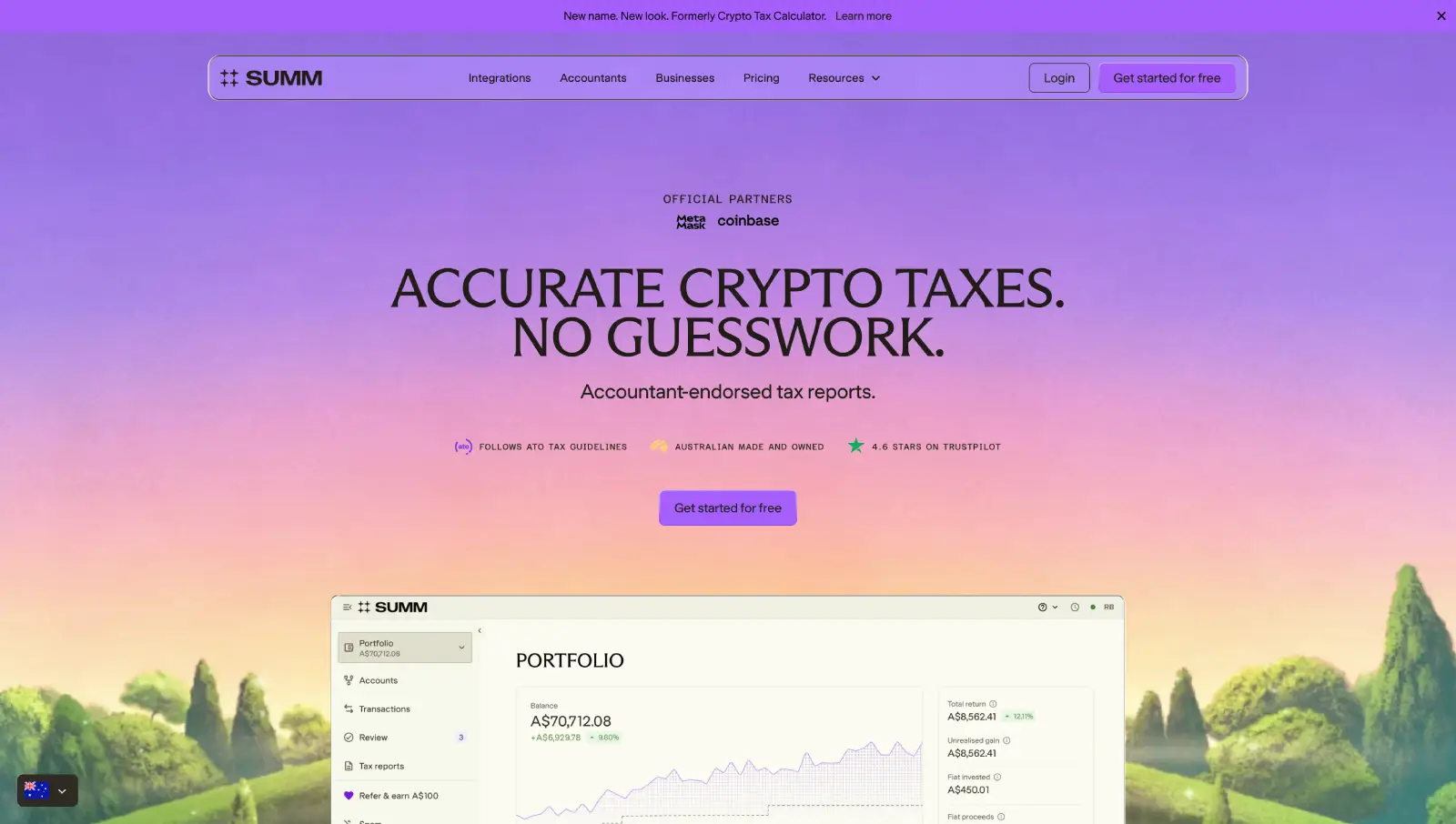
Building Australia's Top Crypto Tax Website
What we achieved:
Rebuilt the site for 25+ locales on a modular Webflow system.
Developed reusable page systems to accelerate new launches.
Partnered long-term to evolve the website alongside company growth.
Question
Text